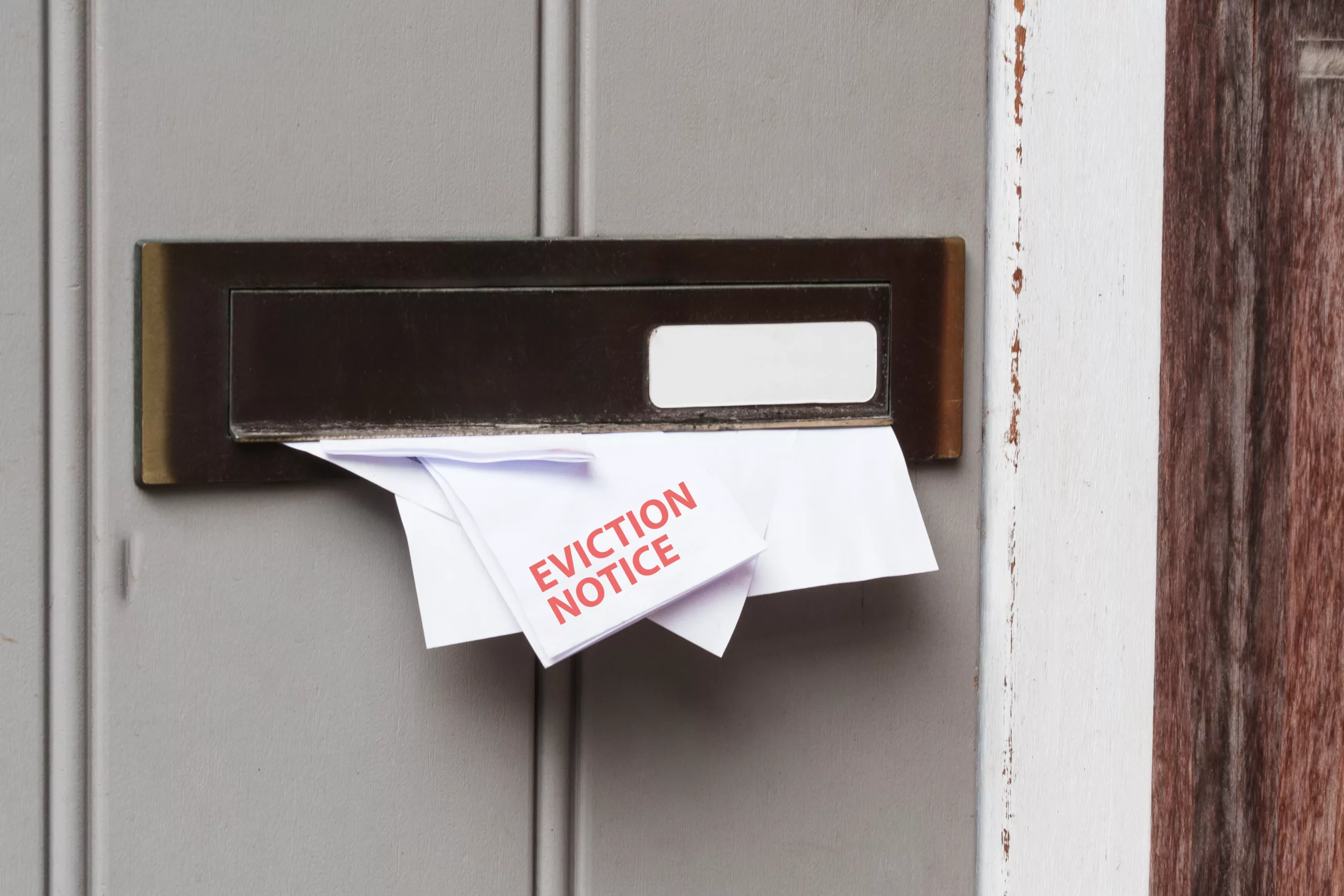
A letter demanding repairs sits on the kitchen counter. Maybe it’s from a tenant claiming the landlord won’t fix a persistent leak. Or perhaps it’s the landlord insisting a tenant pay for damages that seem like normal wear and tear. Either way, tensions are rising, and someone’s mentioned getting lawyers involved.
Before rushing to file a lawsuit, consider this: Texas offers another path forward. One that might save money, preserve relationships, and resolve the problem faster than a courtroom battle ever could.
When landlord-tenant conflicts arise in Dallas Fort Worth, there’s a fundamental choice to make. Head straight to Justice Court and let a judge decide, or sit down at a table and try to work things out through mediation. Both paths are legal. Both can produce results. But they look completely different once you commit to either one.
Understanding Mediation
Mediation brings both parties together with a neutral third party who doesn’t take sides. This mediator listens to what each person is upset about and what they want. They don’t determine who’s right or wrong. They don’t issue rulings. Instead, they facilitate conversation and help both sides find a solution everyone can accept.
The process begins when either party suggests it. Sometimes a lease actually requires mediation before anyone can file a lawsuit. Other times, a court might recommend it. Once everyone agrees to try, they schedule a session with a mediator. Many communities in the Dallas Fort Worth area offer programs through local dispute resolution centers. Some charge fees ranging from free to a few hundred dollars, while others work on a sliding scale based on income.
During the session, each side explains their perspective. The mediator might keep everyone in the same room, or shuttle between separate spaces carrying messages and offers back and forth. This continues until an agreement is reached or it becomes clear mediation isn’t working. If terms are agreed upon, the mediator helps document everything in writing. Both parties sign, and that written agreement becomes the roadmap for resolving the problem.
Texas law doesn’t require mediation in most residential landlord-tenant cases, but Texas Property Code Chapter 92 gives both sides strong legal rights that mediation can help protect. For instance, under Section 92.056, tenants have specific remedies when landlords fail to make needed repairs. Mediators familiar with Texas law can help both parties reach solutions that respect these legal protections without the cost of enforcing them in court.
The Litigation Path
Litigation means court. In Texas, most landlord-tenant cases start in Justice of the Peace Court, which handles claims up to $20,000. The person filing the lawsuit pays filing fees, typically between $100 and $200 depending on the county and the number of defendants being served. Then comes service of process, where a constable or process server officially delivers the lawsuit papers to the other party.
The defendant gets a hearing date, usually 10 to 21 days after the lawsuit gets filed under Texas Property Code Section 24.0051. Both sides show up on that date. Each presents evidence, which might include lease agreements, photographs, repair bills, text messages, emails, and witness testimony. The judge listens, asks questions, and then makes a decision. That decision is legally binding.
If the losing party disagrees with the judgment, they have five days to file an appeal. Appeals require posting an appeal bond or filing a pauper’s oath plus paying rent into the court registry. The appeal moves the case to county court, where it starts over with a new trial.
For eviction cases specifically, Texas law provides an even faster timeline. After winning an eviction judgment, landlords must wait five days for the appeal period. If no appeal happens, they can request a Writ of Possession. The constable then posts a 24-hour notice before physically removing the tenant if necessary.
Cost Comparison
Money matters, especially in dispute resolution. Mediation sessions in the Dallas Fort Worth area typically cost between nothing and $500 total, split between both parties. Some community programs offer free mediation services. The whole process might wrap up in a single afternoon.
Litigation costs more and the bills keep accumulating. Filing fees start around $100 to $200. Process server fees add another $50 to $150 per defendant. Many landlords and tenants hire attorneys for court cases. Attorney fees for a straightforward case might start at $1,000 to $2,000 but can climb much higher if the case gets complicated or requires multiple hearings. If someone loses and the lease or Texas law says the winner recovers attorney fees, they might end up paying both their own lawyer and the other side’s lawyer.
Texas law and many lease agreements allow the prevailing party to recover attorney fees in certain landlord-tenant disputes. This creates real risk. Even with a strong case, losing means paying far more than just the judgment amount.
Time Considerations
Mediation moves quickly. Schedule a session this week, potentially finish next week. Even with some back and forth finding a mediator and setting a time, most mediations conclude within 30 days of first contact. If an agreement is reached, it takes effect immediately or on whatever timeline both parties agreed to.
Court cases take considerably longer. From filing to hearing, expect at least 10 days but often three to six weeks just to get a first court date. That assumes everything goes smoothly. Continuances, scheduling conflicts, and court backlogs can stretch this timeline significantly. If someone appeals, add months. A case starting in January might not fully resolve until summer or fall.
For landlords facing nonpayment of rent, this delay costs money every day. For tenants living with serious repair issues affecting health and safety, waiting months feels unbearable.
Mediation vs. Litigation – Control, Privacy, and Outcomes
In mediation, both parties control the outcome. Nobody forces anyone to accept terms they can’t live with. The agreement happens because both parties chose it. There’s room for creative solutions—maybe the tenant handles minor repairs in exchange for lower rent, or the landlord fixes the major issue and the tenant drops their damage claim.
Litigation hands control to a judge who has probably never seen the property. The judge must follow the law even if it produces a result neither party wanted. Texas Property Code Section 92.0563 gives judges specific remedies including ordering repairs, reducing rent, and awarding civil penalties of one month’s rent plus $500, plus actual damages and attorney fees. In mediation, you can negotiate something entirely different that works better for your circumstances.
Mediation sessions happen behind closed doors. What gets said stays between the parties and the mediator. This confidentiality lets both sides speak freely about their concerns and what they really need. Court hearings are public—anyone can walk in and watch, and records become public documents airing everything including dispute details, lease terms, property photos, and financial information..
Impact on Relationships
Law books don’t spend much time on this, but it matters enormously in practice. Mediation tries to preserve relationships. The mediator works to help both parties understand each other’s position. There might still be anger when it’s over, but at least there’s been real conversation about the issues. If it’s a landlord with a generally good tenant who’s hit a rough patch, or a tenant who wants to keep living in a home they love, mediation gives a real shot at continuing the relationship.
Litigation burns bridges. It’s adversarial by design. One person sues. The other defends. Evidence is presented to make the opponent look bad. Cross-examination can get heated. By the time a judge rules, both parties usually can’t stand each other. The relationship is finished.
For month-to-month tenancies or situations where paths might cross again, this matters. For landlords who own multiple properties in the same neighborhood, keeping a reputation as someone willing to work things out has value. For tenants who need references for future rentals, avoiding a lawsuit on their record helps.
Which Disputes Fit Which Path
Security deposit disagreements make up a huge portion of landlord-tenant conflicts. Under Texas Property Code Sections 92.101 through 92.109, landlords must return deposits within 30 days and can only deduct for actual damages beyond normal wear and tear. Mediation works well here because a mediator can help both sides look at photos, discuss what’s reasonable, and reach a compromise, while litigation forces an all-or-nothing decision.
Repair disputes also benefit from mediation under Section 92.052, which requires landlords to make diligent efforts to repair conditions affecting physical health or safety. What counts as “diligent effort” and “reasonable time” can be subjective. A mediator can help establish realistic repair timelines and temporary accommodations, while court simply gives a win or a loss.
Eviction cases are different because Texas law provides a specific, fast court process under Chapter 24 of the Property Code. If a tenant hasn’t paid rent and won’t leave, a landlord needs that court order to legally regain possession. Mediation can still happen to set up a payment plan, and settling through mediation prevents a judgment from appearing on the tenant’s record, helping them rent again later.
When Court Is Necessary
Some situations demand litigation no matter what. If a restraining order is needed because of threats or violence, court is the only option. If one party absolutely refuses to engage in mediation, it can’t be forced (though some leases require trying mediation first before filing suit). If the other side violated the law in ways that deserve penalties beyond what can be negotiated, court might be the only way to get justice.
If time is completely critical, like a landlord facing an emergency repair situation where they need a court order to access the property, or a tenant who needs immediate relief from illegal lockout under Section 92.0081, waiting for mediation scheduling might not work.
The Hybrid Approach
The choice isn’t necessarily permanent. Many landlords and tenants try talking first, then mediation if talking fails, then court as a last resort. Some court systems require mediation before trial. A lawsuit can be filed to protect legal rights while still agreeing to try mediation before the hearing date.
Texas law doesn’t prohibit settling cases even after litigation starts. In fact, the vast majority of lawsuits settle before trial. Starting with mediation just moves that settlement conversation to the beginning instead of after both sides have spent money on lawyers and court fees.
Resources in Dallas Fort Worth
In the Dallas Fort Worth area, several resources can help. Many counties offer dispute resolution programs through the county courts or local nonprofits. These programs employ trained mediators who handle these disputes regularly.
If mediation seems like the right approach, bring documentation. The lease, photos, repair estimates, receipts, communication records, all of it. Being prepared helps mediation move efficiently. Also come ready to compromise. Mediation rarely gives anyone everything they wanted, but it can give both parties enough.
If litigation seems inevitable, organize evidence carefully. Create a timeline. Make copies of everything. Texas Justice Courts move quickly, and cases need to be presented clearly and concisely. Consider consulting with an attorney even when planning to self-represent, just to review the position and make sure nothing important is being missed.
Making the Decision
Think about what’s actually wanted. If the goal is to get the other party completely out of the picture and have a court validate being right, litigation might be the path. If a specific outcome is needed that only a judge can order, go to court. But if the goal is solving the problem quickly, affordably, and with some control over the solution, mediation deserves serious consideration.
Consider the relationship too. Will there be ongoing dealings with this person? Does keeping a cordial relationship matter? The answer shapes which path makes sense.
Look at the strength of the case. If the law clearly favors one side and there’s rock-solid evidence, court might produce a better outcome than negotiating. If the situation is murkier, with legitimate arguments on both sides, mediation helps avoid the risk of losing in court.
Key Takeaways
- Mediation typically costs $0 to $500 total and concludes within 30 days.
- Litigation filing fees run $100 to $200 plus service fees, with attorney costs often exceeding $1,000 to $2,000.
- Court cases take months from filing to final resolution, even longer if appealed.
- Parties control the outcome in mediation and can craft creative solutions.
- Judges control the outcome in litigation and must follow specific legal remedies.
- Mediation sessions are confidential while court proceedings are public record.
- Mediation preserves relationships better than adversarial litigation.
- Texas Property Code Chapter 92 provides specific rights and remedies in both processes.
- Mediation can be tried first with litigation as a backup option if needed.
- Some disputes (evictions, restraining orders) may require court from the start.
Frequently Asked Questions
Does Texas require mediation before a landlord-tenant lawsuit?
No, Texas law doesn’t generally require mediation before filing a landlord-tenant lawsuit. However, individual lease agreements might require it. Some courts encourage or offer mediation after filing, but cases can usually proceed to trial if mediation doesn’t happen or fails. Checking the specific lease agreement is important.
How much does mediation cost in Dallas Fort Worth?
Costs vary widely. Some community mediation programs offer free services or charge on a sliding scale based on income. Private mediators typically charge $100 to $300 per hour, with sessions often lasting 2 to 4 hours. Many programs split the cost between both parties. This is still significantly less than litigation costs.
Can a landlord evict a tenant without going to court in Texas?
No. Texas law prohibits self-help evictions. Section 92.0081 makes it illegal for landlords to lock out tenants, remove their property, or cut off utilities to force them out without a court order. Landlords must file an eviction lawsuit and obtain a Writ of Possession from the court. Violating this can result in significant penalties.
What happens if we reach an agreement in mediation but one party doesn’t follow through?
If someone violates a mediated agreement, a lawsuit can be filed to enforce it. Having the agreement in writing is crucial. The court can treat the written mediation agreement as a contract and enforce its terms. This is why properly documenting what was agreed to during mediation matters so much.
How long does a landlord-tenant court case take in Texas?
Justice Court eviction cases move relatively fast, with hearings typically 10 to 21 days after filing under Section 24.0051. Other disputes can take longer. From filing to final judgment, expect one to three months minimum, potentially much longer if there are continuances or appeals. Complex disputes over property damage or lease violations might take six months or more.
Can I represent myself in landlord-tenant court?
Yes. Justice of the Peace Courts are designed for people to represent themselves. Many landlords and tenants do. However, the law and procedures still apply, and mistakes can cost the case. At minimum, become familiar with the relevant sections of Texas Property Code Chapter 92 and the Texas Rules of Civil Procedure that govern Justice Court cases.
What if my landlord retaliates against me for requesting repairs?
Texas Property Code Sections 92.331 through 92.335 prohibit landlord retaliation for six months after making a good-faith complaint about repairs, reporting code violations, or participating in a tenant organization. Prohibited retaliatory actions include eviction (except for nonpayment of rent or other valid reasons), rent increases, and decreased services. Tenants can sue for penalties, damages, and attorney fees if landlords retaliate.
Is mediation confidential?
Yes. Mediation communications are generally confidential and cannot be used later in court if the case proceeds to trial. This confidentiality encourages honest discussion. Texas law protects this confidentiality in most alternative dispute resolution proceedings. However, the final agreement itself becomes enforceable once signed.
Get Help with Your Landlord-Tenant Dispute
Facing a dispute with a landlord or tenant can feel overwhelming. The laws are complex. The stakes are high. The stress builds daily.
At Girling Law, we focus on landlord-tenant matters throughout the Dallas Fort Worth area. We know Texas Property Code thoroughly and have helped landlords and tenants through countless disputes, from security deposit disagreements to complex eviction defenses.
Whether you’re trying to decide between mediation and litigation, need representation in court, or want help negotiating a settlement, we provide clear guidance. We take time to listen to specific situations, explain options honestly, and develop strategies that protect your interests.
Don’t let confusion about your rights cost you money or your home. Reach out to Girling Law today to discuss your landlord-tenant dispute and find out how we can help you reach the best possible resolution.